
The impacts of inflation on savings accounts: how to protect your money
Understanding the Shift
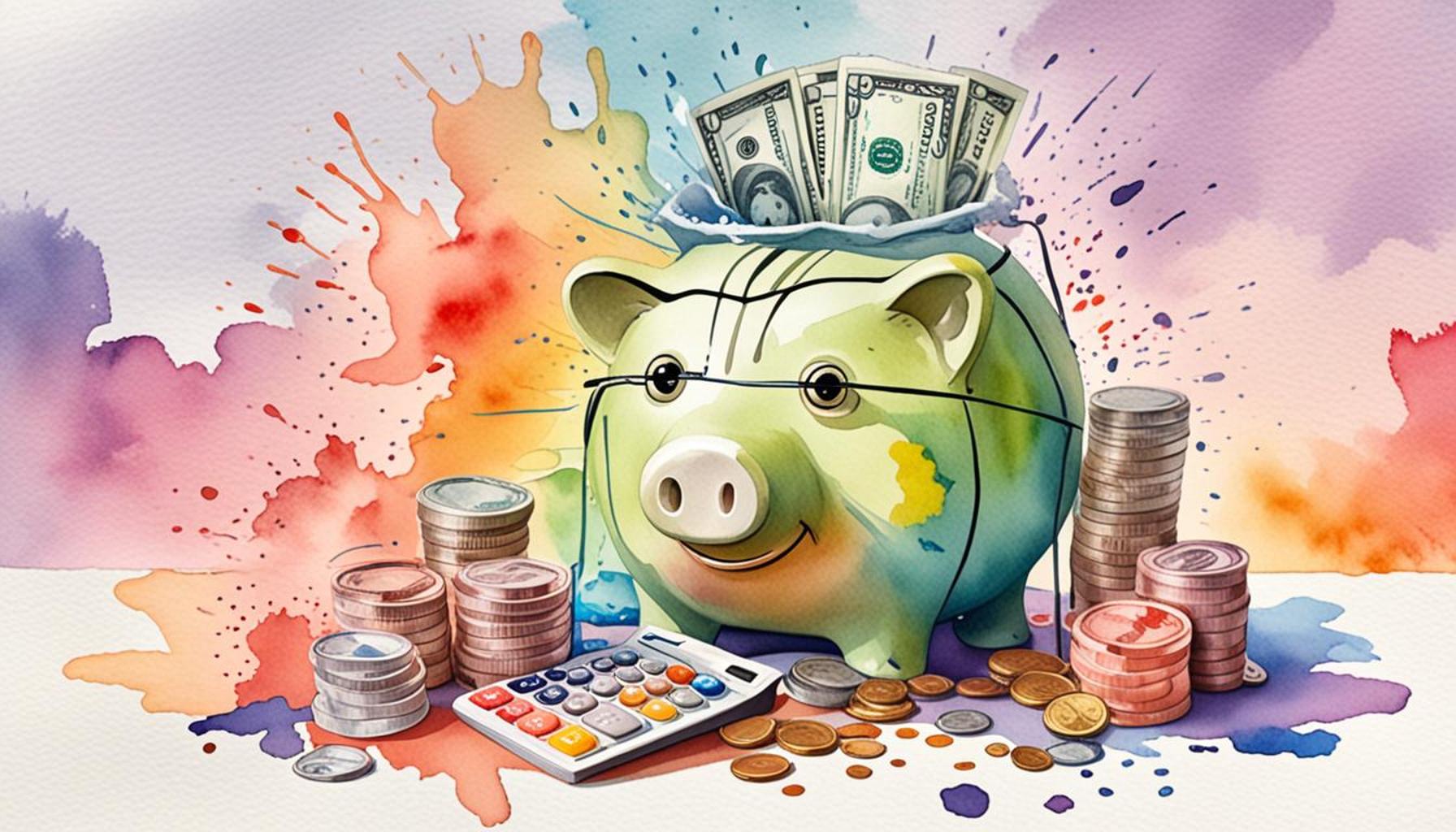
The financial landscape is shifting rapidly, with inflation proving to be a formidable challenge for savers across the United States. As prices for essentials such as groceries, housing, and energy continue to rise, the impact on personal finances becomes increasingly significant. Savings accounts, which have long been considered a secure refuge for capital, are now losing their luster in the face of inflation. This realization is prompting many to rethink their strategies for protecting and growing their wealth.
What You Need to Know
- Inflation erodes purchasing power: The fundamental principle of inflation is that as consumer prices climb, the money saved loses its value. For instance, if inflation rates soar to 5% a year and a savings account generates a mere 1% interest, the real purchasing power of those savings declines significantly. Every dollar saved today will buy less tomorrow, which is troubling for those relying on traditional savings routes.
- Interest rates struggle to keep pace: Most savings accounts in the U.S. offer interest rates that are substantially lower than the current inflation rate. This discrepancy means that even diligent savers face an uphill battle, as their investment yields fail to match the rising costs of living. For example, with a current savings account interest rate around 0.05%, it becomes increasingly vital for individuals to seek alternative avenues that provide better returns.
- Emerging financial technologies: The rise of digital banking solutions and investment platforms is revolutionizing personal finance management. Services like robo-advisors and mobile investment apps allow individuals to diversify their portfolios and potentially gain higher returns. For instance, platforms like Robinhood and Acorns have democratized investing, making it accessible and straightforward for everyday users to engage in the stock market.
Today’s savers are empowered with a plethora of digital tools and insights that were previously available only to the financially elite. With the advent of artificial intelligence and data analytics in banking, individuals can now track their spending patterns, receive tailored financial advice, and essentially take charge of their financial destinies. Furthermore, cryptocurrency and peer-to-peer lending platforms are gaining traction, providing innovative alternatives for wealth accumulation.
As we maneuver through this complex economic environment, exploring effective ways to safeguard and enhance our savings is paramount. By leveraging the advancements in financial technology, individuals can remain proactive and resilient against the adverse effects of inflation. The potential for these technologies to reshape our financial futures is not only exciting but empowering, allowing us to ensure that our money works as effectively and tirelessly as we do.
DIVE DEEPER: Click here to learn more about the impact of 5G on finance
Embracing New Financial Frontiers
In the age of rapid technological advancements, individuals are presented with an array of innovative financial solutions that can help mitigate the impacts of inflation on savings. Gone are the days when traditional savings accounts were the only viable option for preserving wealth. Today, savvy consumers are exploring a diverse spectrum of investment and saving alternatives that not only protect their assets but also offer the potential for significant growth.
Innovative Options to Counter Inflation
- High-yield savings accounts: Unlike typical savings accounts with minimal interest rates, high-yield savings accounts offer considerably better returns. These accounts, often provided by online banks or financial institutions, can yield interest rates that are competitive, sometimes exceeding 3% or even more. This approach can help offset some of the devaluation caused by inflation.
- Certificates of deposit (CDs): CDs are time-sensitive deposits that generally offer higher interest rates compared to regular savings accounts. By locking in your money for a set period, you potentially gain a better interest rate, protecting your savings from inflation over time. Many financial institutions are providing flexible terms, allowing savers to tailor investments that align with their financial goals.
- Investing in stocks and ETFs: For those willing to embrace a higher level of risk, investing in the stock market or exchange-traded funds (ETFs) represents a powerful method to outpace inflation. As companies grow and their values rise, investors stand to benefit from capital appreciation and dividends that can dynamically exceed the rate of inflation over the long term.
- Diversifying into alternative assets: Alternative investments such as real estate, commodities, and even cryptocurrencies present unique opportunities for growing one’s wealth. Real estate has historically appreciated over time, while commodities like gold and silver often serve as hedges against inflation. The rise of digital currencies also introduces an intriguing asset class that some investors view as a form of inflation protection.
As we embrace these new financial frontiers, it is essential to maintain a strategic approach to diversify investments and ensure that money works harder for us. By taking calculated risks and harnessing the power of emerging technologies, individuals can not only preserve their wealth but also come out ahead in this inflation-challenged economy. Tools like investment apps and comparison platforms empower users to make informed decisions tailored to their specific financial circumstances.
The future of personal finance is here, and the potential to grow and secure one’s savings has never been more dynamic. Choosing the right blend of traditional and innovative financial strategies will be pivotal in securing a prosperous financial future amid the fluctuating economic landscape.
DIVE DEEPER: Click here to start your investing journey
Harnessing Technology for Financial Resilience
As the financial landscape continues to evolve, the integration of technology into personal finance has opened up exciting avenues for securing savings against inflation. The rise of fintech companies has revolutionized how individuals approach traditional banking, offering tools that enable smarter and more efficient money management.
Digital Tools Enhancing Savings
- Budgeting Apps: The proliferation of budgeting apps has made it easier than ever for individuals to track their expenses and savings. Applications like Mint or YNAB (You Need A Budget) empower users to set financial goals, allocate funds effectively, and adapt their spending habits. By being more aware of their financial behaviors, individuals can enhance their savings, potentially cushioning against inflationary impacts.
- Automated Savings Programs: Innovations in banking technology now allow for automated savings plans, where consumers can round up purchases to the nearest dollar and automatically transfer those spare cents into a savings account. Services like Acorns invest the difference into diversified portfolios, making it effortless to save while staying ahead of inflation.
- Robo-Advisors: For those new to investing, robo-advisors such as Betterment or Wealthfront provide a guided approach to growing assets. Utilizing algorithms to manage investments, these platforms create diversified portfolios tailored to individual risk preferences. The built-in mechanisms to rebalance investments ensure that your money adapts to changing market conditions, mitigating the effects of inflation.
These technological innovations exemplify how consumers can harness the vast potential of digital tools to enhance their financial health. By leveraging these resources, individuals can actively manage their assets, making more strategic decisions in an inflationary environment.
Exploring the World of Peer-to-Peer Lending
Another intriguing trend emerging in the financial scene is peer-to-peer (P2P) lending. Platforms like LendingClub and Prosper connect borrowers with individual investors, enabling the latter to earn competitive interest rates on their funds. This direct lending approach can result in higher returns than conventional savings accounts, allowing investors to potentially outpace inflation. However, it’s essential to note the risks involved, including borrower default, which requires comprehensive due diligence before committing funds.
Impact Investing as a Vehicle Against Inflation
The growing popularity of impact investing has also emerged as a compelling way to align financial gains with personal values. By choosing investment opportunities that prioritize social or environmental impact alongside financial returns, individuals engage in a two-pronged strategy—protecting their savings from inflation while making a difference in the world. As more companies focus on sustainable practices, investing in these entities can yield favorable returns, tapping into the growing green economy.
Finally, the digital wallet revolution is transforming how we conduct everyday transactions. By moving cashless, individuals can explore various financial options right from their smartphones and have immediate insight into spending trends, allowing for effortless management of savings. With the rise of cryptocurrencies, digital currencies like Bitcoin and Ethereum are gaining attention as alternative stores of value that some see as hedging against inflation risks. However, prospective investors should approach cryptocurrencies with caution, given their volatility and speculative nature.
As we continue to navigate the complexities posed by inflation, embracing these technological advancements can empower individuals to protect and grow their savings effectively. The financial landscape is at a tipping point, and those who adapt with enthusiasm will undoubtedly find themselves equipped to thrive in the years to come.
DIVE DEEPER: Click here for more insights
Conclusion: Navigating the Inflationary Landscape
The pervasive effects of inflation on savings accounts underscore the importance of proactive financial management. With traditional savings yielding minimal returns, individuals must explore innovative avenues to protect and grow their hard-earned money. As highlighted, leveraging technology offers a compelling solution. From budgeting apps that enhance spending awareness to automated savings programs that smartly allocate funds, modern tools empower consumers to stay ahead of inflation.
Moreover, the rise of peer-to-peer lending and impact investing introduces exciting opportunities for higher returns, although they come with inherent risks. Engaging with dynamic investment platforms and exploring the digital currency framework can add another layer of financial resilience against inflationary pressure. As the financial landscape transforms, it becomes crucial to remain adaptable and informed. Embracing these trends not only fosters personal financial growth but also aligns with evolving market dynamics.
To ensure lasting financial health, individuals must not only react to inflationary trends but also proactively seek innovative strategies to safeguard their wealth. In doing so, they can cultivate a robust financial future, emerging stronger and more resilient in the face of economic challenges. By marrying smart technology with informed financial choices, anyone can turn inflation from a potential threat into an opportunity for growth.